Ingredients (for 2 people):
- Pasta: I used mafaldine for the creamy version because it’s like fettuccine but with crinkle edges—such a fun noodle! The fascinating thing about pasta dishes is the sheer variety: mafaldine, linguine, spaghetti, and a myriad of sauces such as cream, tomato, oil, rose, you name it. The main ingredients vary from chicken to bacon, cheese or garlic and parsley. The cooking methods are as diverse as wine and cheese. I used fusilli for the non-creamy version, measuring 100g for each person because when it’s less than enough, it tastes even more delicious.
- Garlic (a handful): I love garlic, but you can use less (or more) if desired.
- Parsley (2 bunches): I’m a fan of parsley, but feel free to use less (or more) based on your preference.
- Lemon: I used half, using both the juice and the skin for zest.
- Olive oil: I used enough to cover the garlic and other ingredients, not too much as I prefer it less oily.
- Parmesan cheese: Add as much as you want.
Skip below if you are making the non-creamy version.
- Cream: I used a 300ml bottle for efficiency in the cooking process. I don’t want to scale everything while cooking simple pasta dish.
- Butter: I added a chunk to enhance the dairy aroma. Adjust according to your taste preferences. You can skip, but I added like a 4 square centimetre with 1.5 centimetres thickness but don’t trust me, trust your tastebuds I guess
How to cook:
- Make garlic-infused olive oil by frying chopped garlic on low heat.
- When the garlic oil smells good enough, add lemon zest and parsley (you can use basil if preferred: some recipes use basil instead but I had parsley at home anyway, I found this recipe while I was doom-scrolling and people were debating 1. This not authentic Italian vs it’s actually Amalfi’s homefood, 2. Creamy version better vs non-creamy version better. I’m not an authenticity police so I don’t care as long as it’s tasty, so parsley, basil, or maybe coriander too if you want to, but I don’t like coriander, it’s too overpowering, I mean, be creative, use anything you like, because why not?)
- Add lemon juice, cream, and butter if making the creamy version. If not, wait until the pasta is cooked. Follow the instructions on the pasta box for cooking time. For the non-creamy version, use minimal water when cooking pasta and maintain the salt amount; you’ll need this starch water later for thickening the sauce.
- For the creamy version, add pasta to the sauce, stirring well until the pasta holds the sauce. Add butter, grated cheese, more parsley, and pepper to taste. For the non-creamy version, add pasta to the garlic-lemon-parsley oil, mixing well while adding spoonfuls of pasta water. Adjust consistency with more pasta water if desired, and add lemon juice.
It’s easy and delicious!


This is fun noodle (mafaldine) with spanner crab, uni butter, versus my pasta al limone. I had to Google what mafaldine is after reading a menu last week, and the doom scroll algorithm showed me this pasta recipe the other day, so it’s not entirely random, I guess.
I don’t know if foreigners feel the same when they try Korean side dishes (banchans) with rice. If you didn’t know, we eat a variety of small dishes with rice, main courses, and soup in our day-to-day life.

We don’t eat fried chicken or Korean BBQ every day. Although there are some of my favourite banchans, including spinach and beansprouts, Korean food is my least favourite. Think about well-known main dishes like Bulgogi and galbi; they marinate good cuts of beef with soy sauce and sugar to make it sweet and salty for maximum saliva gland stimulation. Is it because they eat it with rice? I like dishes that take minimal time and effort and allow me to enjoy the natural taste of the ingredients.
Koreans generally enjoy soup dishes. I, too, like beef radish soup (소고기 무국)
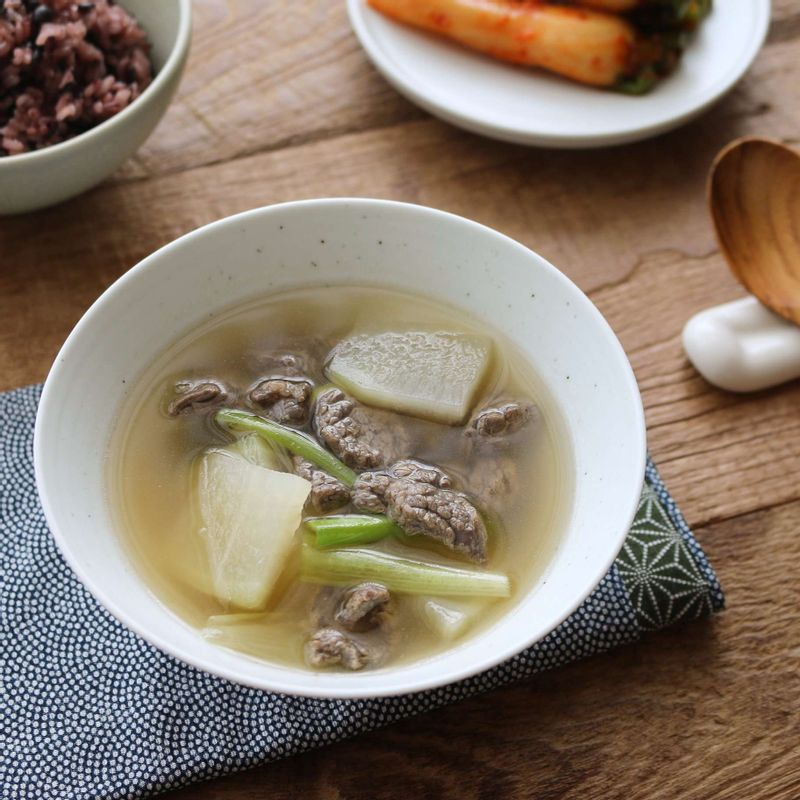
or spicy beef stew (육개장),

but the nutritional value is questionable. So, how nutritious is pasta with lemon, garlic, parsley, and cheese? You gotta eat it with steak. A good cut.
Even anchovies, we(Korean) use it for making soup bases with veggies, or again using soy sauce and corn syrup to make it sweet-salty over-stimulate flavoured banchan. Oh, how can I not mention one of my favourites, 꽈리고추 멸치볶음1!!!!!

Whereas Italians or Mediterraneans should I say, use it on pizza, pasta, salted and marinated in olive oil—bigger anchovies, eat it as it is.
Korean dishes, at least mains that are popular and famous among foreigners, are always too sweet and saucy. It’s the sauce—I hate the sauce! The Korean sauces!! Always sweet, salty, if not, spicy; think about Korean fried chicken, always soaked in honey, soy, garlic, or sweet spicy chili, or snowing cheese—whatever it is, it’s just too much. But I like steamed shishito. I can finish 3 bowls of rice no cap.

Ingredient:
- Shishito chillies
- All-purpose flour
Dipping sauce:
- Chives
- Soy sauce
- Chili powder
- Crushed garlic
- Sesame and sesame oil
- Plum juice or syrup (Korean always has it in their fridge, me too). But if you don’t have it, I think apple cider vinegar with a bit of sugar does the same.
How to: [Link to recipe] at this point I am bored of writing recipes
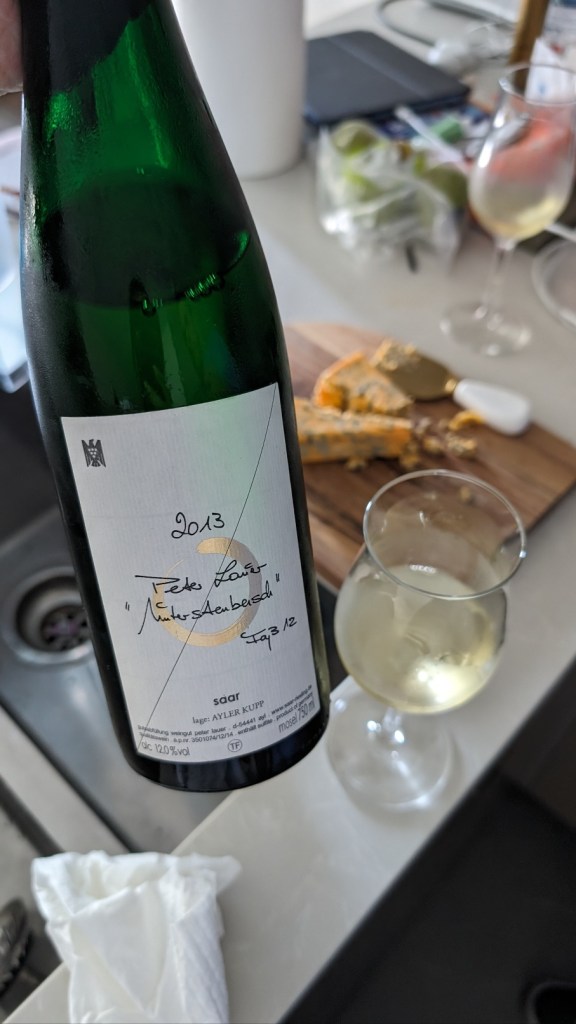
Anyway, pasta is so fun like wine! This is what I had today: a 10-year-aged German ri.. riesling from L’s cellar. I still like the Sicilian the most.


- Shishito peppers with anchovy: I can finish a bowl of rice with it, even without anchovy in it. ↩︎
